How to Improve Podcast Audio Without Building a Studio
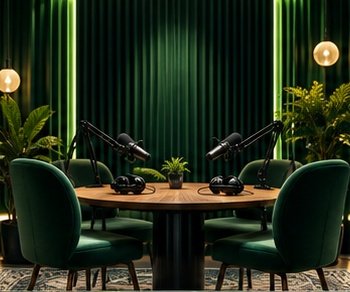
Reduce echo, clipping and background noise at the source. Small recording habits can produce a larger improvement than aggressive processing.
Control reflections
A room full of hard surfaces reflects your voice back into the microphone. Move toward soft furnishings, curtains or a filled bookcase. Thick absorptive material helps with reflections; thin decorative foam is not soundproofing. Outside noise requires a different solution.
Keep distance consistent
Position the microphone near your mouth, slightly off-axis to reduce plosives. Keep that position through the conversation. Ask guests to avoid tapping the table, rubbing clothing near the mic or turning their head away while speaking. Record a short test with ordinary and excited speech.
Leave headroom
Set gain so louder phrases do not clip. A clipped recording cannot always be repaired. Record separate tracks when possible and save an untouched copy before processing. Apply noise reduction gently: metallic artifacts can be more distracting than low-level room tone.
Your next step
Record thirty seconds in three positions around your room. Compare echo and noise, then choose the quietest position. Keep a photo of the setup and a short preflight checklist for future sessions.
Tags: audio & equipment, improve, podcast:, podcasting, without
All creator guides